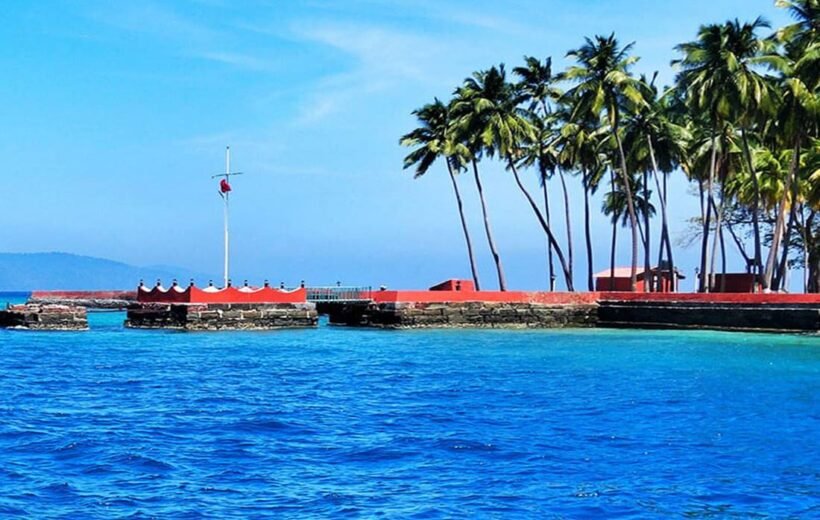
A Union Territory in India is a unique administrative division governed directly by the Central Government. Unlike Indian states, which have their own governments, each Union Territory is managed by an Administrator or Lieutenant Governor appointed by the President of India. This structure ensures effective governance in regions that are either small, strategically important, or culturally distinct.
India currently has eight Union Territories — Delhi, Puducherry, Chandigarh, Andaman and Nicobar Islands, Lakshadweep, Dadra and Nagar Haveli and Daman and Diu, Jammu and Kashmir, and Ladakh. Each Union Territory holds a special place for its cultural, geographical, or political importance. For example, Delhi serves as the national capital, while Ladakh is known for its breathtaking landscapes and Buddhist heritage.
Some Union Territories, like Delhi and Puducherry, have been granted partial statehood with their own legislatures, while others remain under direct administration of the President. This system of Union Territories plays a crucial role in maintaining unity, efficient governance, and balanced regional development across India
Union Territory
A union territory is one of the first-order administrative units in the Republic of India.
Two wandering souls took charge to transmute their wanderlust into what you now know as “The Trippers”.
Trippers, rooted in 2016 is a new-age travel company providing top-notch services to the rovering souls. We specialise in weekend getaways, group travels, trekking trails, roadways expeditions, corporate off-sites and even provide customised tours as per your needs.
We ensure easy going travelling with well trained trip leaders and stellar accommodations.
We provide end to end 24*7 assistance so once you book with us all your travelling worries will be ours and be ready for an unparalleled experience!
Address
63 LGF, World Trade Centre Barakhamba, New Delhi 110001